
Pocket Option vs Nadex: A Comprehensive Comparison
In the world of online trading, platforms such as pocket option vs nadex Pocket Option bot and Nadex offer unique features that cater to different types of traders. Understanding these differences is crucial for anyone looking to maximize their trading success. This article will explore both platforms in detail, comparing their functionalities, trading styles, fees, and overall user experience.
Introduction to Pocket Option
Pocket Option is a relatively new player in the online trading market, but it has quickly gained popularity due to its user-friendly interface and diverse range of trading options. Established in 2017, the platform allows traders to engage in binary options trading with an advanced yet simple trading environment. It offers a variety of assets, including forex, cryptocurrencies, stocks, and commodities, making it a versatile choice for traders looking to diversify their portfolios.
Introduction to Nadex
Nadex, or the North American Derivatives Exchange, is a regulated exchange based in the United States. Established in 2009, it allows traders to participate in binary options trading and spreads. Unlike Pocket Option, Nadex is more focused on offering products that are compliant with regulatory standards, making it a preferable choice for those looking for oversight and security in their trading activities.
User Interface Comparison
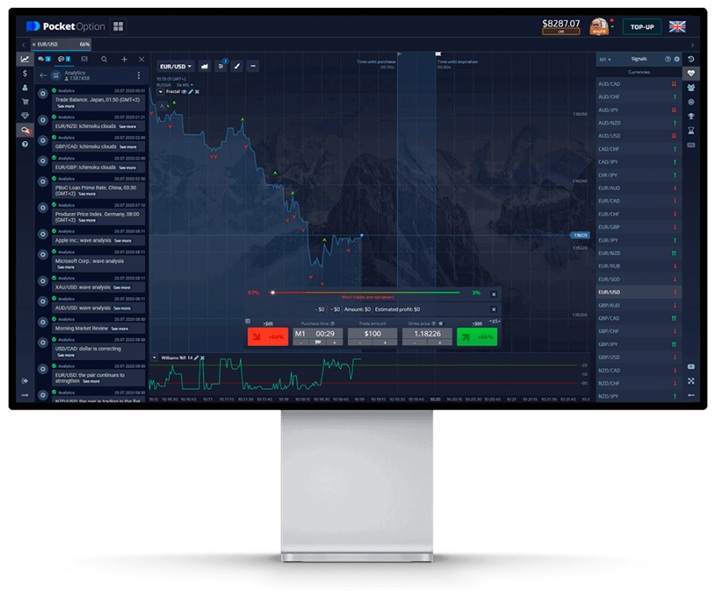
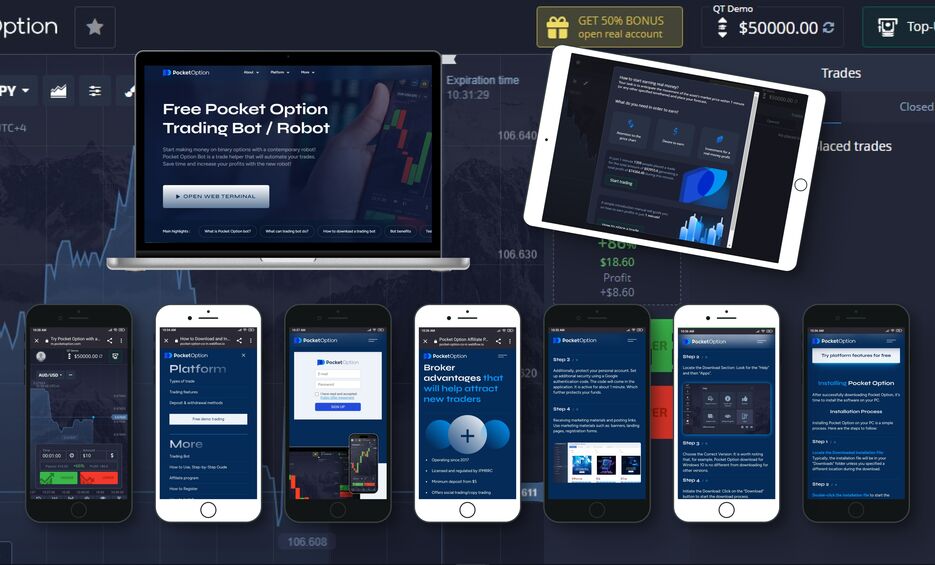
A key difference between Pocket Option and Nadex lies in the user interface. Pocket Option has a modern and intuitive design that appeals to beginner traders, allowing easy navigation and quick access to various trading tools. On the other hand, Nadex features a more traditional trading interface that may seem complex to new traders but provides advanced tools for experienced users. Both interfaces have their strengths, and the choice largely depends on the trader’s experience and preference.
Trading Options and Assets
When it comes to trading options, Pocket Option offers a wide array of assets, including forex pairs, commodities, cryptocurrencies, and stocks. The variety allows traders to capitalize on different market conditions. Nadex, while also offering a selection of assets, focuses primarily on forex, commodities, and major indices. However, Nadex’s unique offering is its binary options contracts, which provide a fixed risk and reward, making it easier for traders to manage their capital.
Fees and Commissions
Trading fees can significantly impact a trader’s profitability. Pocket Option is known for its zero-commission trades, which means that users do not pay any fees on their trades. However, the platform does apply a spread on trades, which is the difference between the buy and sell price. On the other hand, Nadex charges fees based on the contracts traded, typically ranging from $1 per trade to a maximum of $9 per contract. This model can benefit high-volume traders but may be a disadvantage for those making fewer trades.
Regulation and Security
Regulation is a critical factor for many traders, particularly those who prioritize security and fraud protection. Nadex operates under the regulation of the Commodity Futures Trading Commission (CFTC) in the United States, ensuring a high level of oversight and compliance. In contrast, Pocket Option operates under regulations from the International Financial Services Commission (IFSC) of Belize. While both platforms implement security measures, some traders may feel more comfortable with a fully regulated platform like Nadex due to its oversight from a major financial authority.
Withdrawal and Deposit Options
Both Pocket Option and Nadex offer a variety of deposit and withdrawal options, catering to different user preferences. Pocket Option provides multiple payment methods, including credit cards, e-wallets, and cryptocurrencies, which allows a streamlined process for fund management. Withdrawals are typically processed within a few hours to a couple of business days, depending on the method used. Nadex, while also offering a range of deposit options, generally focuses on bank transfers and credit cards, with withdrawal times varying based on the chosen method.
Customer Support
Customer support is another aspect where the two platforms differ. Pocket Option offers 24/7 customer support via multiple channels, including live chat, email, and phone support. This accessibility is beneficial for traders who require immediate assistance, especially in volatile market conditions. In contrast, Nadex provides support during regular business hours, which can be limiting for traders who rely on timely responses for their trades.
Educational Resources
For traders looking to improve their skills, educational resources play an essential role. Pocket Option features a robust educational section, complete with video tutorials, webinars, and market analysis articles. This resource hub is particularly helpful for beginners trying to understand the mechanics of trading. Nadex also offers educational materials, though they are more focused on the specifics of binary options and spreads. Overall, both platforms provide valuable resources, but Pocket Option may have a slight edge for new traders due to its comprehensive offerings.
Conclusion
In conclusion, both Pocket Option and Nadex provide unique and valuable trading experiences tailored to different types of traders. Pocket Option stands out with its user-friendly interface, zero-commission trading, and extensive educational resources, making it a great choice for beginners. Nadex, with its regulatory compliance and focus on binary options, is ideal for more advanced traders who appreciate the fixed risk associated with their trades. Ultimately, the decision between Pocket Option and Nadex will depend on individual trading preferences, risk tolerance, and desired trading experience.